News
ISO 9001-Revision: So bereiten Sie Ihr Unternehmen erfolgreich vor | Kostenloses Whitepaper
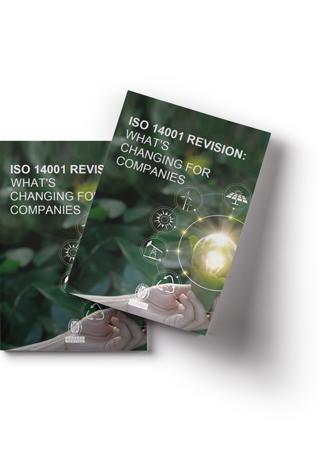
Englischsprachiges Whitepaper ISO 14001-Revision
Overview of Changes, Impacts and the Transition
In recent years, the framework conditions for environmental management have changed significantly. Issues such as climate change, resource scarcity, biodiversity, and sustainable supply chains are becoming increasingly important in business decision-making. At the same time, expectations regarding the verifiability and effectiveness of environmental measures are rising. To address these developments and ensure the standard’s applicability in a changing environment, ISO 14001 has been specifically updated.
Find out what the key changes are in ISO 14001:2026 compared to its previous version, how these changes will affect existing environmental management systems, and what steps are involved in the transition process in our free white paper.
.
Proactive environmental management is becoming the norm. The new ISO 14001:2026 provides the framework.
In light of stricter regulatory requirements, rising expectations from customers, partners, and stakeholders, and the growing importance of sustainability, companies are increasingly required to demonstrate that they are taking a proactive approach to environmental management.
ISO 14001:2026 helps organizations identify and manage their environmental impacts and ensure that their environmental management systems are future-proof.